About
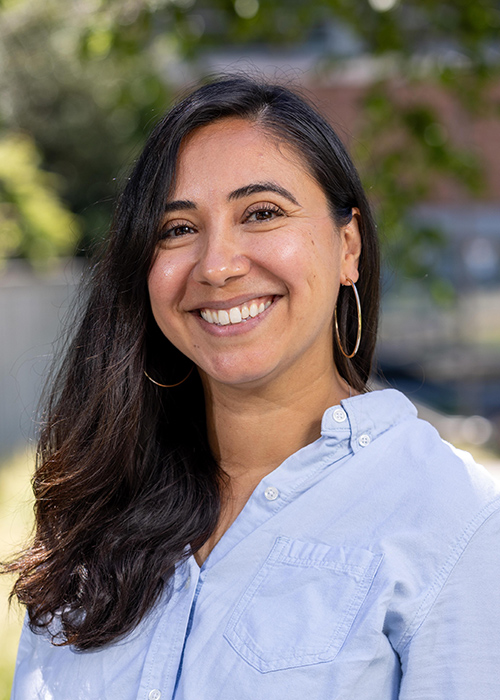
“I study public health nutrition because I believe the communities we serve should be reflected in the professionals who care for them. As a proud, Spanish-speaking Latine woman, I feel privileged to be part of changing that representation.”
Q&A
Why were you interested in pursuing an MPH in food systems, nutrition, and health?
As a former pre-medical student, I have always believed that prevention is key to building healthier communities. I see nutrition as a powerful tool for preventing chronic disease, and better health can start in the kitchen. This became deeply personal as I watched my mother navigate multiple chronic conditions, including diabetes, high blood pressure, and high cholesterol. Her experience continues to motivate my work at the intersection of nutrition and public health. I want to make an impact beyond individual care by using public health frameworks to reduce chronic disease and expand equitable access to nutrition services.
Why UW?
The University of Washington’s commitment to adopting anti-racist principles was one of the major drivers behind my decision to apply to this program. I want my career as a registered dietitian to be rooted in practices that advance health equity. I do not believe you can learn to promote equity by taking a single course; anti-racism needs to be woven into everything we do.
Tell us about your current fieldwork or practicum, or a recent collaboration or accomplishment.
Through my fieldwork with Alimentando al Pueblo and Mendoza’s Mexican Mercado, I had the opportunity to partner with Arlene Martínez-Vásquez, Community Healing Steward, Concepcion (Cony) Saavedra, Weaver of Community Wellness, and Sonia, the co-owner of Mendoza’s Mexican Mercado. Together, we evaluated more than 19 menu items and identified opportunities to better support customers with diabetes and/or high blood pressure. My deliverables included a culturally responsive food service policy guideline aligned with the Dietary Guidelines for Americans, a menu modification, nutrition communication guidelines, mock-up dietary icons, and an accompanying poster. These materials focus on increasing vegetable options and promoting higher-fiber meals.
You received a UW Population Health social entrepreneurship fellowship which involved collaborating on the Nuestro Valor project. Can you tell us more about the project and your role?
I was honored to be one of four fellows selected for the Social Entrepreneurship Fellowship. My project was public health focused, exploring an innovation that would tackle access to affordable and culturally appropriate fruits and vegetables for tiendas, small independent grocers who primarily serve Latine populations. Through support and guidance from the Nuestro Valor team, I explored upstream factors influencing produce availability and developed a collective produce purchasing model as a potential solution. We were recently awarded a $25,000 Population Health Initiative Tier 1 pilot grant to support the next phase of work in which I will serve as a co-PI on the project team.
Describe your experience as a UW Food Systems, Nutrition, and Health graduate student?
My time as a graduate student in the Food Systems, Nutrition, and Health program has pushed me in ways I didn’t even know were possible, both academically and professionally. It has changed how I think about the relationship between food systems and health.
What are your future goals?
As a registered dietitian, I envision fostering meaningful relationships with clients who feel alone in their health journey, becoming part of their “tribe” and empowering them along the way. I plan to one day establish nutrition clinics with educational kitchens in partnership with Latine communities. Ultimately, my goal is to build a mission-driven organization that brings together evidence-based practice and community-driven approaches to develop culturally meaningful programs that reflect community priorities, expand access to nourishing foods, and foster resilient communities.
What have you learned while at UW that has changed your perspective?
I have learned to become more comfortable being uncomfortable, recognizing that the feeling is simply a sign that I am learning something new, stepping outside of my comfort zone, or challenging myself in ways I have not before. I’ve learned to say yes to opportunities, even when I initially felt unqualified, and to push through that discomfort to gain invaluable experiences, develop new skills, and grow in ways I wouldn’t have otherwise.
What advice would you give to a student who is considering your programs?
Submit your application! I was initially so intimidated by the program, but I have to say it’s one of the best decisions I could have made. This program has provided me with amazing opportunities, supportive mentors and faculty, and an incredible cohort of kind, funny, intelligent folks.
What do you like to do for fun?
I love to spend time outdoors, so you’ll typically find me enjoying a picnic at the park or hiking with my husband and our old lady pooch. I enjoy the thrill of thrifting, and Seattle has so many great spots to explore. As the weather gets colder, I love spending time in the kitchen baking cookies, conchas, or cakes.
What do you enjoy most about living in Seattle?
There are so many things I love about Seattle! From the easy access to green and blue spaces to the beautiful change in seasons, there is always something to appreciate. I love all the quaint coffee shops and the laid-back atmosphere.
Anything else you’d like to share or say about your experience at UW?
My experience at UW has reinforced that meaningful change does not happen in silos. It requires bringing together different perspectives, disciplines, and communities to develop solutions rooted in the people they are intended to serve.
Are you interested in studying nutritional sciences as a graduate student? Explore graduate degree programs and RDN training offered in the UW Food Systems, Nutrition, and Health program.